Plastics and Textiles
Water filtration is a crucial element in both the plastics and textiles industries, ensuring the quality and purity of the water used in production processes. In plastics manufacturing, water is used to cool molds and clean equipment, while in the textile industry it is essential for washing fibers, dyeing, and finishing fabrics. The removal of particles, sediments, and contaminants is essential to preserve the quality of the final product and ensure the efficiency of machinery.
SATI stands out by providing filtration systems specifically designed for both of these industrial sectors. In the context of the circular economy, where plastic recycling plays a key role in reducing environmental impact and promoting resource sustainability, the self-cleaning, semi-automatic, or manual filters offered by SATI are essential for removing impurities and contaminants, ensuring the quality and purity of recycled materials.
In plastic manufacturing processes, cooling water can be recycled using SATI filtration and recycling systems, thereby reducing the consumption of fresh water.
In the textile industry, SATI filters are used in the treatment and reuse of process water, thereby reducing the withdrawal of fresh water and the associated operating costs. These practices not only generate significant cost savings but also help mitigate environmental impact by reducing the volume of wastewater discharged into the environment and promoting responsible water management.
SATI’s wide range of filters, designed to meet the specific needs of each industry, enables companies to benefit from customized filtration solutions, ensuring the highest quality of water used in production processes. This translates into greater operational efficiency, reduced maintenance requirements, and an overall improvement in the quality of finished products, contributing to the company’s success and growth.

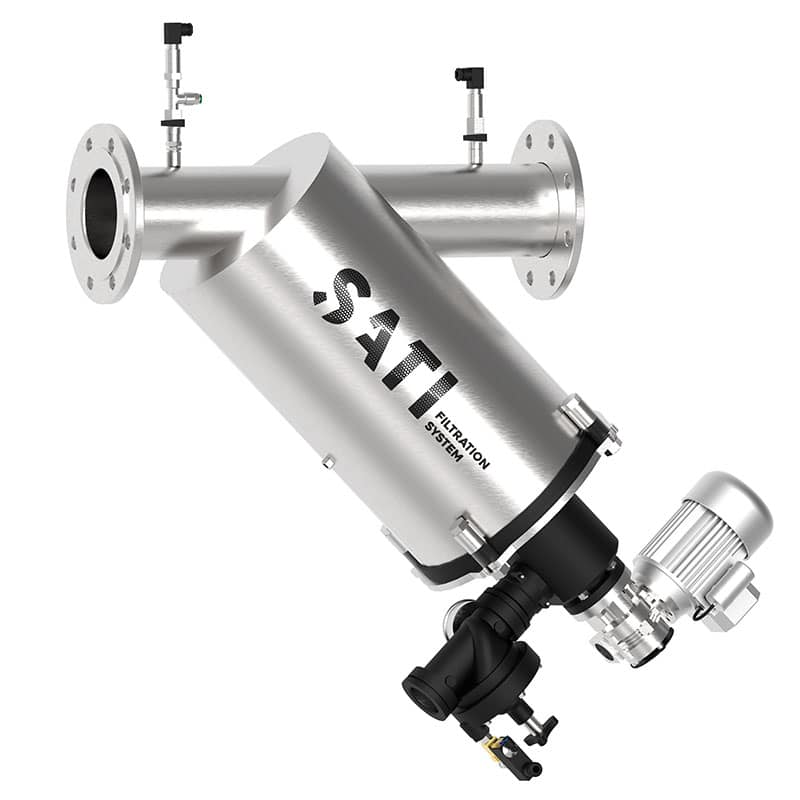

All filters can be customized to meet the customer's needs.
We also design custom filtration systems.
Plastic recycling is a key component of the waste management process, involving a series of operations designed to transform plastic waste into new, usable materials.
This specific sector of recycling involves the collection, sorting, and processing of plastic waste, followed by cleaning, shredding, and melting. Through these processes, plastic materials are transformed into granules or pellets, ready to be reintroduced into production processes.
Plastic recycling not only reduces the amount of waste sent to landfills, but also reduces dependence on virgin raw materials and the environmental impact associated with their extraction and production. Furthermore, it helps conserve natural resources and mitigate plastic pollution.
Location
Northern ItalyFiltration grade
100 µmFlow rate
20 m³/hTreated water
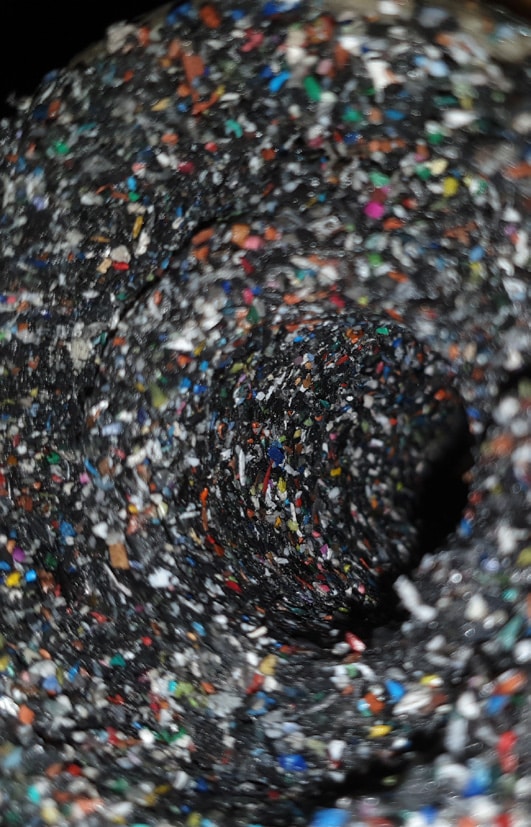
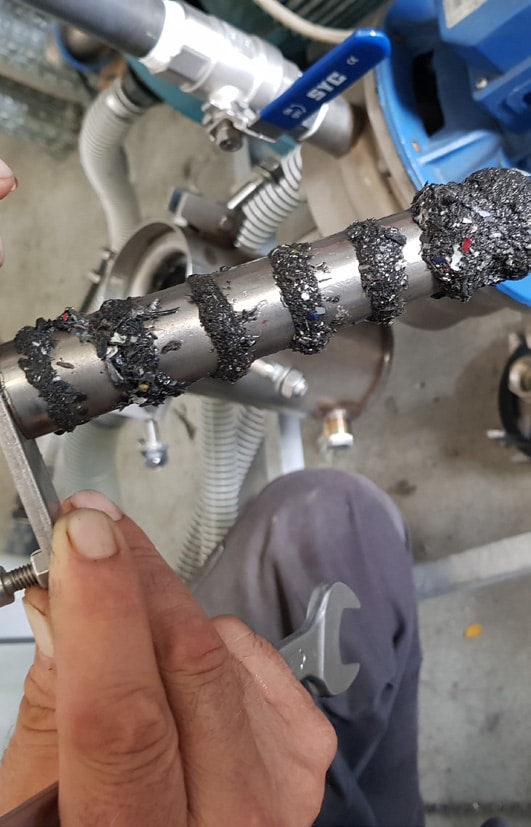
Process waterPlastic recycling is a specific branch of waste recycling that involves a series of processes, at the end of which a new plastic material is produced for reintroduction into manufacturing processes. In plastic recycling, large quantities of water are used during the washing phase of the processed material.
Our filtration system has made it possible to fully reuse the wash water and keep the entire plant clean. In addition, this solution has helped the customer save money, since in the past, municipal water was used for this process.



The PDF for this case study
is available only to registered users of the site.
Contact us
HEADQUARTERS
116 Via M. Galli
47522 Cesena (FC) – Italy
CALL US
Tel. +39 0547 660307
Company certified to UNI EN ISO 9001:2015