Water Supply Systems
In water supply systems, water filtration using SATI filtration systems plays a crucial role in ensuring that the distributed water is safe for drinking and meets the quality standards set forth in current regulations.
Water supply systems draw water from natural sources such as rivers, lakes, or wells; the use of SATI filters is essential to ensure that the treated water is safe and suitable for human consumption.
The water drawn from the source, which contains solid impurities, sediments, organic matter, bacteria, and other contaminants, is treated using SATI filters. Thanks to a variety of integrated technologies, SATI filtration systems are specifically designed to ensure an optimal filtration process capable of effectively removing contaminants from the water.
This process helps ensure that the distributed water is free of suspended particles that could compromise its clarity and safety.
By using high-quality SATI filtration systems, it is possible to reduce maintenance costs for water supply networks. The effective removal of impurities and contaminants from the water reduces wear and tear on equipment and pipes, extending their service life and reducing the need for corrective measures.
SATI filtration systems are designed and manufactured in accordance with applicable water quality regulations and standards. By using these systems, water authorities can ensure compliance with current regulations and the safety of the water supply for the community.
The use of SATI filters in water supply systems is essential to ensure that water drawn from natural sources is treated properly and is safe for human consumption. Thanks to their ability to remove a wide range of contaminants, SATI filters play a significant role in ensuring the quality and safety of the water supplied to the public.
In the water supply sector, water filtration is a critical process for ensuring that the water distributed is safe and potable for human consumption. Filtration systems remove impurities, sediments, bacteria, and other contaminants present in raw water drawn from water sources. This process helps protect public health by reducing the risk of waterborne diseases and ensuring that the distributed water meets the quality standards established by local and international regulations. Furthermore, water filtration contributes to environmental sustainability by reducing the negative impact on the ecosystem caused by contaminants in the water.

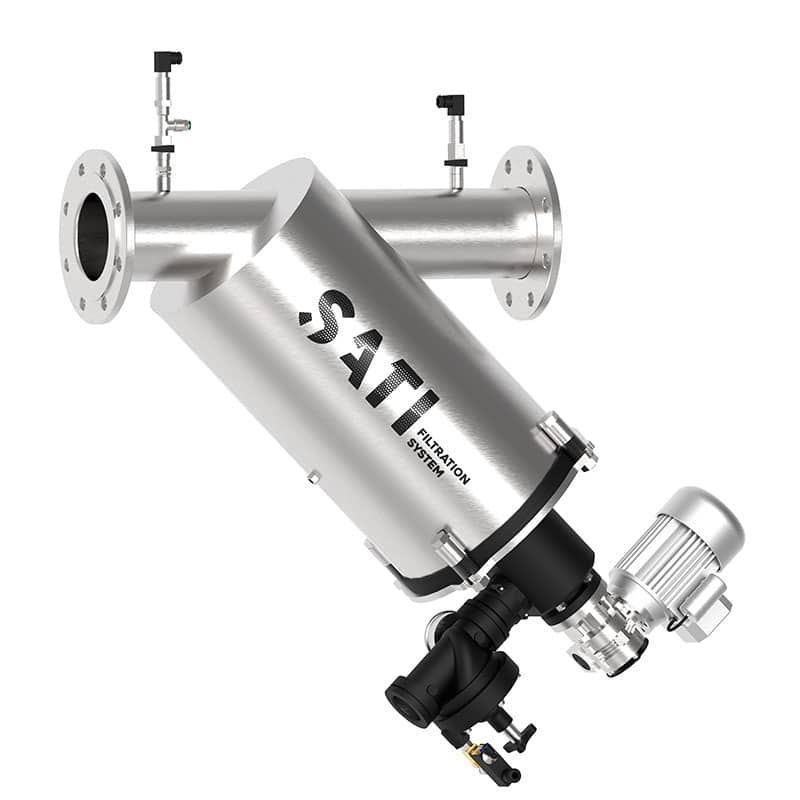

All filters can be customized to meet the customer's needs.
We also design custom filtration systems.
Two fountains have been erected in the city of Skopje, which draw water directly from the river flowing through the city center. This water is then brought to the surface through nozzles positioned on the riverbed itself. A filtration system is necessary because the river carries a considerable amount of coarse debris and, above all, silt. Silt, in particular, can cause clogging and damage to the fountain structures if it is not properly filtered.
Location
MacedoniaFiltration grade
100 μmFlow rate
600 m³/hYear
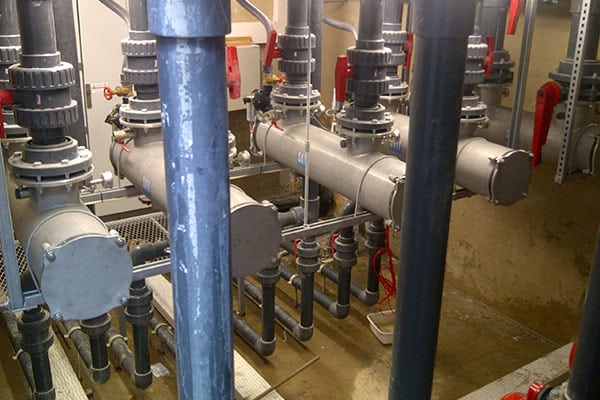
2011For this reason, two pumping and filtration stations have been installed near the riverbed. Each filtration line consists of four Rotor filters and one VTO model. The Rotor and VTO filters, equipped with backwash cleaning systems, are capable of effectively removing colloidal particles, thereby extending the filter’s service life.
These are certainly ideal choices for removing colloidal contaminants, such as silt. Both filtration stations are designed to handle a total flow rate of 600 m³/h, with a filtration rating of 100 microns.


The PDF for this case study
is available only to registered users of the site.
Contact us
HEADQUARTERS
116 Via M. Galli
47522 Cesena (FC) – Italy
CALL US
Tel. +39 0547 660307
Company certified to UNI EN ISO 9001:2015